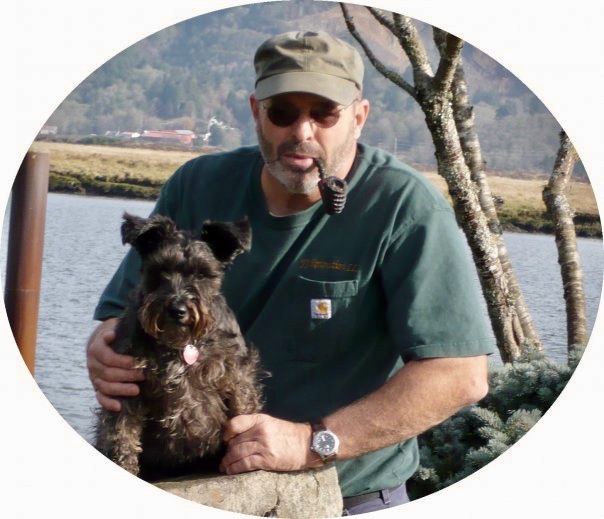
John Jay Cox

Still Holding Hands

A husband, a father, a grandad, a runner, a builder, a man loved through every season — including the hardest one. This is his story, our books, and the resources that carried our family through frontotemporal dementia.

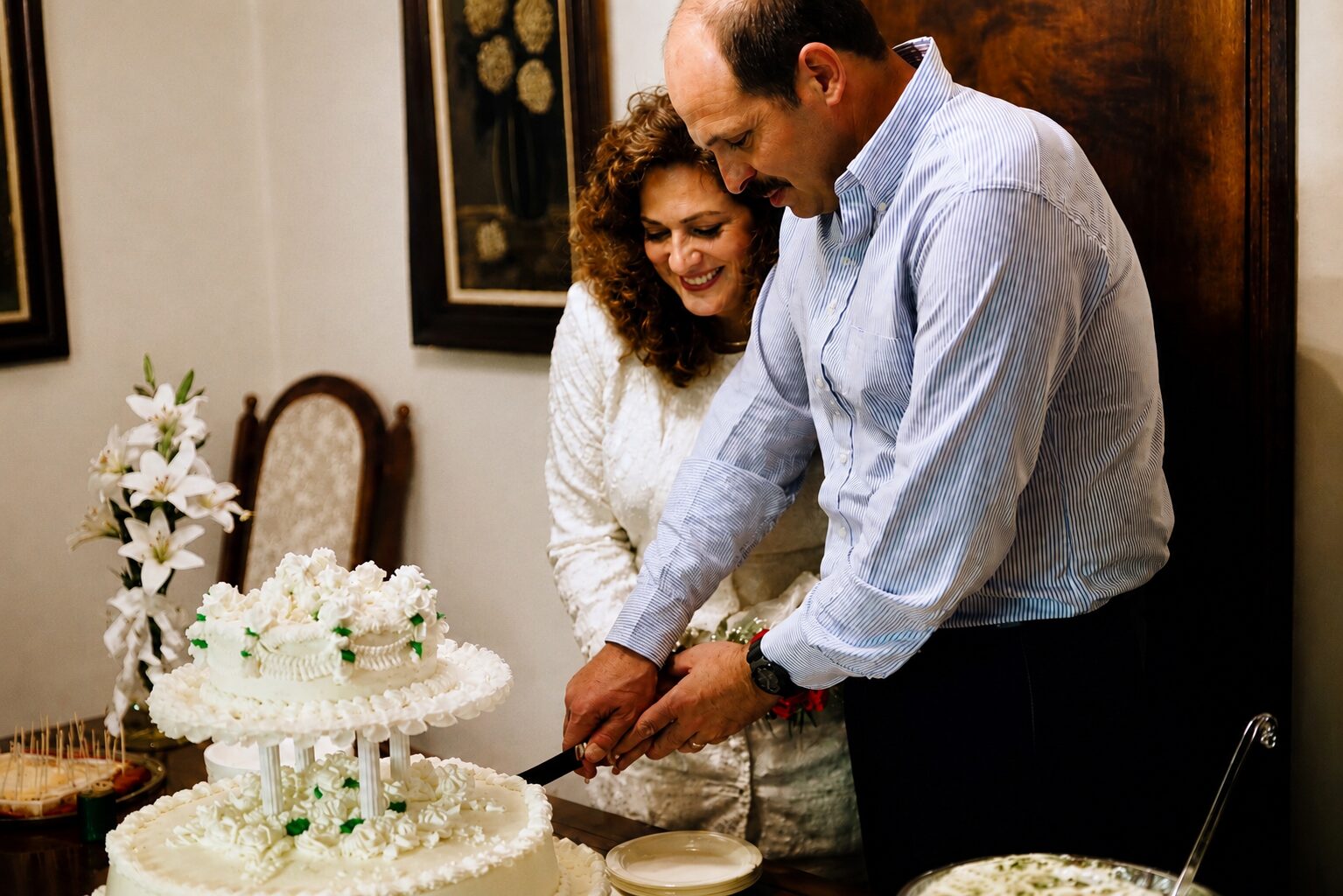
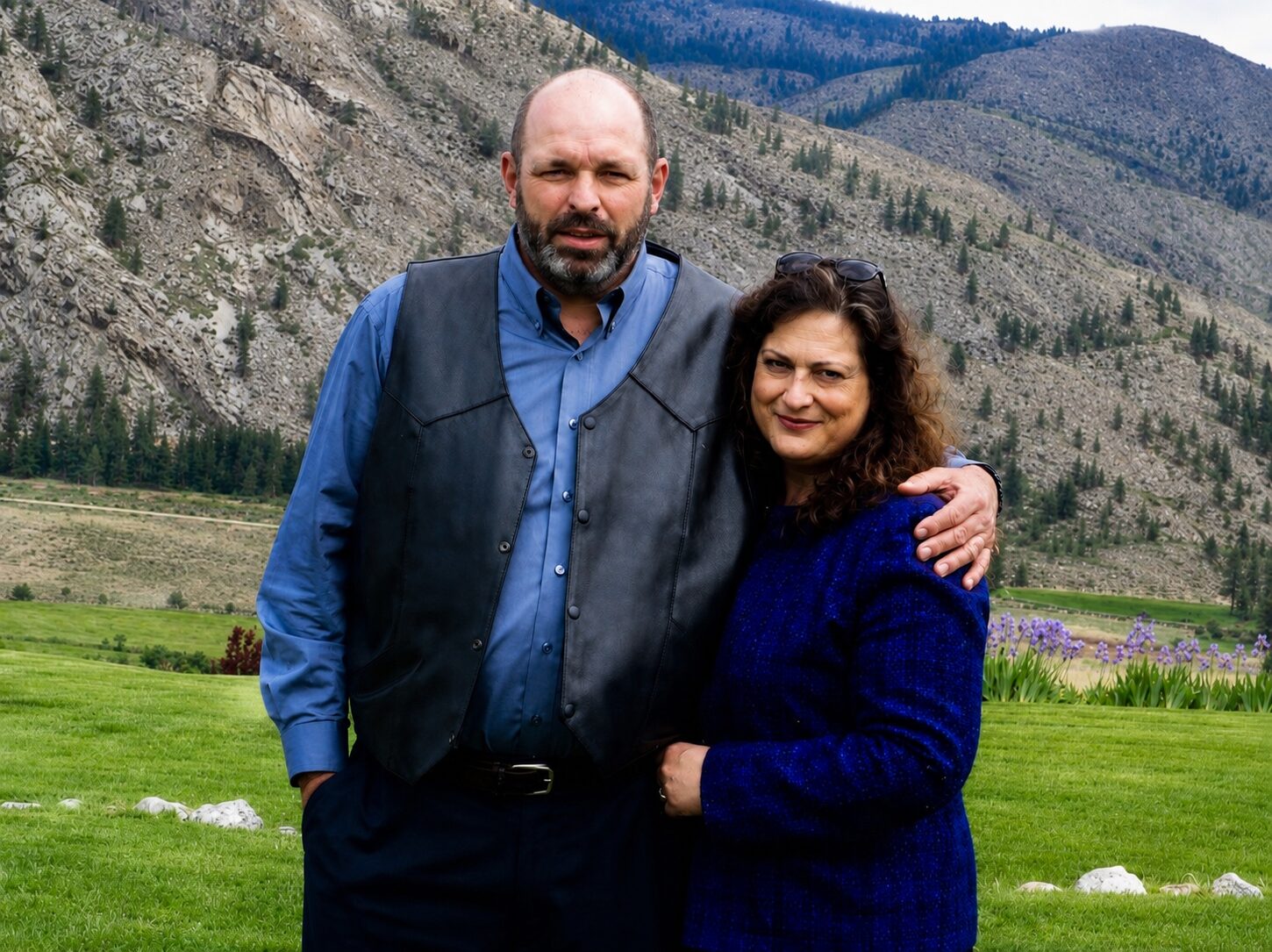
John and Lorrie Cox standing together in front of the mountains
Our Story

A love that stayed, even as memory changed.

John was a builder by trade and a runner at heart — a Columbia River High School standout who paced his team to a cross country title. He carried that same drive into everything: his construction business, his family, our home in Woodburn Senior Estates & Golf.

When John was diagnosed with frontotemporal degeneration (FTD), it changed the shape of our life together, but never the love underneath it. I left my career to become his full-time caregiver. He gave up his truck and his tools, but he never gave up his independence — right down to the driving test he passed for his own golf cart license, with Maggie Mae, his schnauzer and service dog, riding beside him.

We found out quickly that FTD is a disease most people have never heard of, even though it's the most common dementia diagnosis for people under 60. We leaned on faith, on each other, on our community at Senior Estates, and on organizations doing the hard, quiet work of FTD research and caregiver support — including the team at UCSF's Memory and Aging Center, whose founder, Dr. Bruce Miller, later wrote the foreword words that now sit on the front of my book.

John passed away in 2015, after an eight-year journey through diagnosis, caregiving, grief, faith, and enduring love. This site holds a piece of that journey — the books it became, the photographs and clippings we kept, and the resources I wish every FTD family could find on their first hard day.
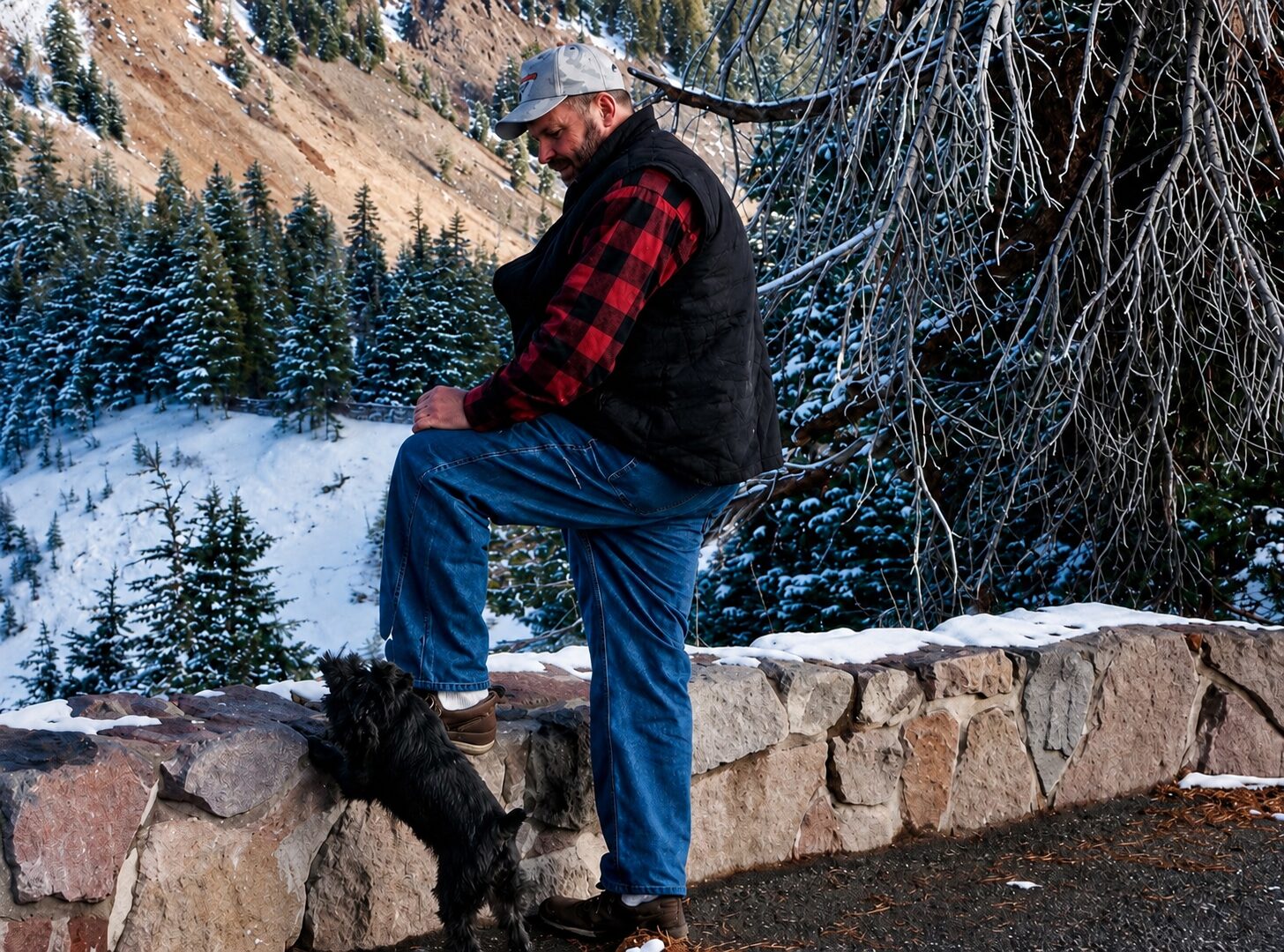
John Cox with his schnauzer Maggie Mae on a stone wall in the mountains
The Books

Three books, one journey.

Written from the middle of caregiving, not looking back at it from a safe distance — for anyone walking a similar road.

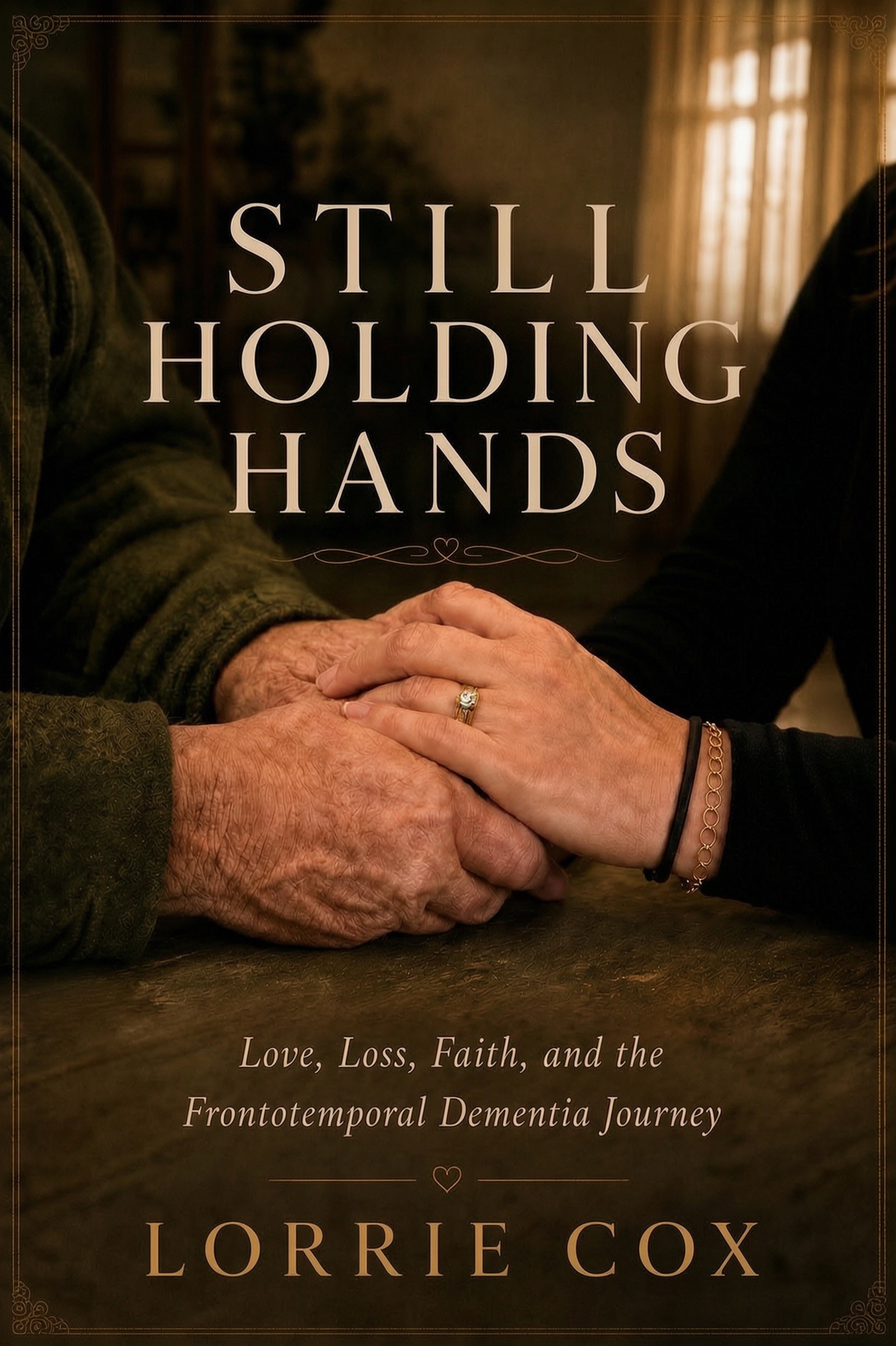
Still Holding Hands book cover, showing John and Lorrie Cox holding hands

Still Holding Hands

Love, loss, faith, and the frontotemporal dementia journey. The full eight-year account of loving and caring for John through his FTD diagnosis, and what it means to keep loving when life changes beyond recognition.

Find on Amazon
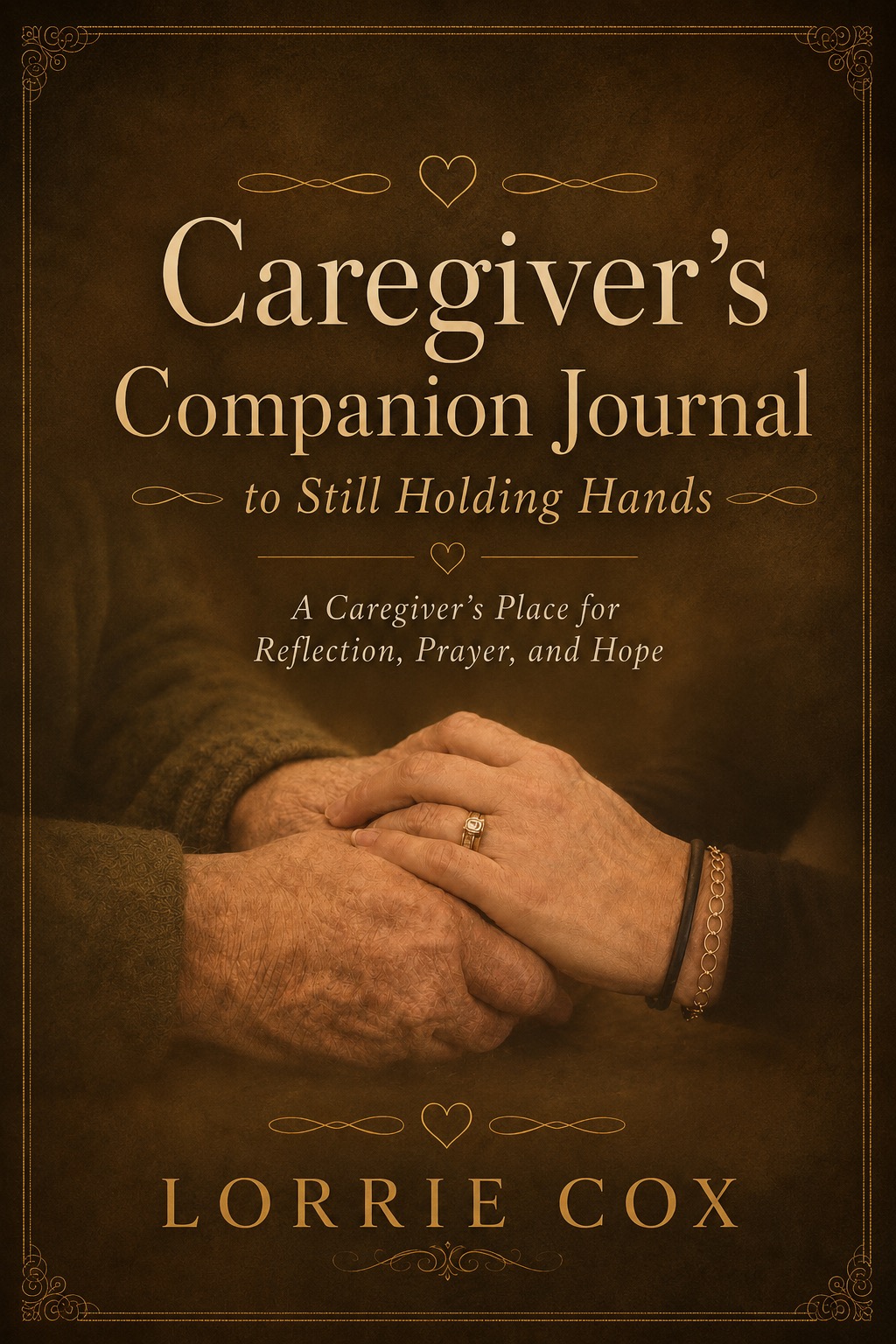
Still Holding Hands Caregiving Journal cover, showing two people holding hands

Caregiver's Companion Journal

A faith-grounded companion to Still Holding Hands — space for care partners to process their own days, their own grief, and their own small victories.

Find on Amazon
The Long Way Back to Love book cover, showing a couple walking on a beach at sunset

The Long Way Back to Love

The Long Way Back to Love is a novel inspired by a true story—a love story spanning six decades and an unflinching portrait of marriage, dementia, and the hope that finds us in our darkest hours. It is a clean, faith-based story for anyone who has cared for someone through illness and loss.

Find on Amazon
"Lorrie Cox has written the book she wished someone had given her when John was diagnosed... honest about the realities of frontotemporal dementia without ever losing sight of the humanity of those living with it."
— Dr. Bruce Miller, Founder, UCSF Memory and Aging Center

A portion of the proceeds from the Still Holding Hands book and companion journal supports the Association for Frontotemporal Degeneration (AFTD).

From the Scrapbook

Newspaper Clippings

Three chapters of John's story, exactly as they were printed.

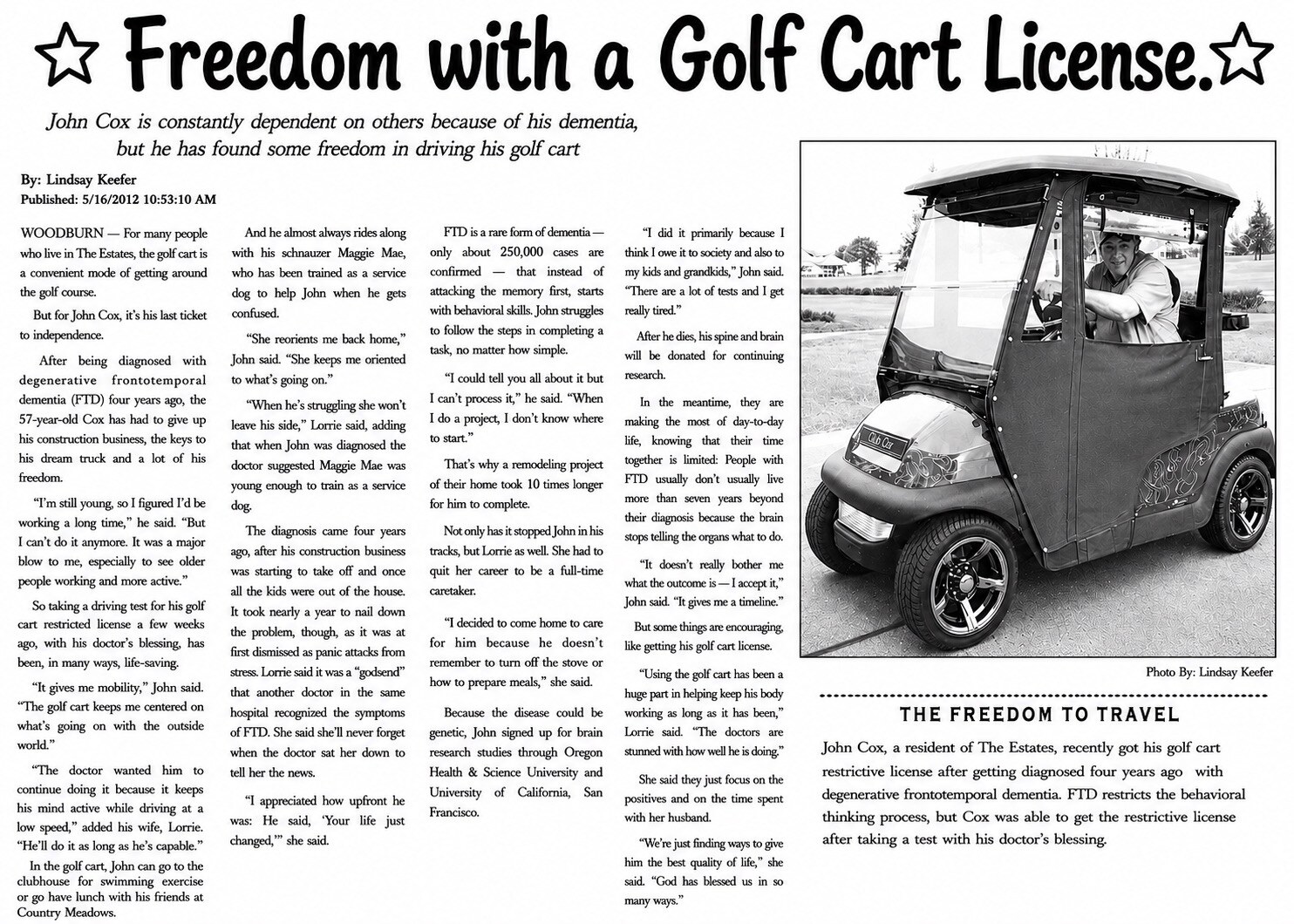
Newspaper article: Freedom with a Golf Cart License, about John Cox and his FTD diagnosis

"Freedom with a Golf Cart License" — on John's FTD diagnosis and his golf cart restrictive license, with Maggie Mae by his side.

Collage of newspaper clippings about John Cox's high school cross country and track career

John's High School Headlines — clippings from our dating years, when John was pacing the Columbia River Chieftains to a cross country title.

For Families Facing FTD

You don't have to walk this alone.

Frontotemporal degeneration (FTD) is the most common form of dementia for people under 60 — and one of the least understood. These are the organizations that stood by our family. I hope they stand by yours too.

AFTD

Association for Frontotemporal Degeneration

Education, support groups, a HelpLine staffed by social workers, research updates, and a community that understands FTD specifically — not dementia in general.

UCSF

Memory and Aging Center

The UCSF Edward and Pearl Fein Memory and Aging Center is a leading research and clinical center for FTD and related conditions, offering diagnosis, care guidance, and caregiver support programs.

In Memory

Remembering John

A tribute to a husband, a father, a friend — still holding hands.